The Rise of Self-Service Kiosks in Retail: Enhancing Efficiency and Customer Experience
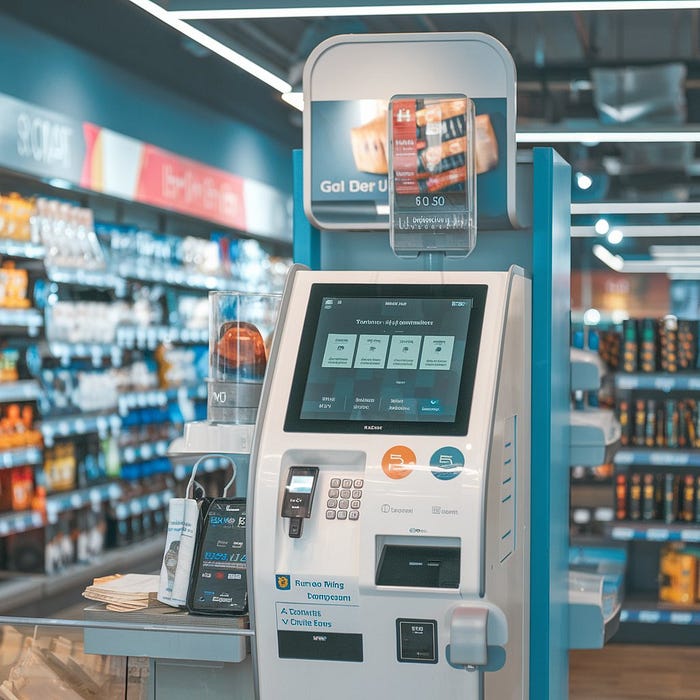
Self-service kiosks have become a game-changer in the retail kiosk industry, revolutionizing the way businesses operate and interact with customers. With the increasing demand for convenience, speed, and efficiency, retailers are embracing kiosk technology to streamline operations and enhance customer satisfaction. From self-checkout counters to digital ordering systems, these kiosks are reshaping the shopping experience. This article explores the significance of self-service kiosks, their benefits, case studies of successful implementations, and the future trends shaping this innovative technology.
Understanding Self-Service Kiosks
What Are Self-Service Kiosks?
Self-service kiosks are automated machines that allow customers to perform various retail functions without human assistance. These kiosks are designed to facilitate transactions, provide information, and enhance the shopping experience by reducing dependency on staff. By integrating touchscreens, payment processing systems, and intelligent software, these kiosks empower customers to take control of their retail interactions.
Types of Self-Service Kiosks
- Payment Kiosks — These kiosks facilitate seamless payment transactions, allowing customers to pay for products or services using cash, credit cards, or digital payment methods.
- Order Kiosks — Commonly found in fast food chains and restaurants, order kiosks enable customers to place their orders without waiting in long lines.
- Information Kiosks — These kiosks provide essential product details, wayfinding assistance, and promotional information in retail stores.
- Self-Checkout Kiosks — Popular in grocery stores and supermarkets, self-checkout kiosks allow customers to scan, bag, and pay for their items without cashier assistance.
- Loyalty and Coupon Kiosks — These kiosks enable customers to check and redeem loyalty points, print coupons, and access promotional discounts.
Technology Behind Self-Service Kiosks
Self-service kiosks operate through a combination of advanced technologies, including:
- Touchscreen Interfaces — Providing an intuitive and user-friendly experience for customers.
- Payment Processing Systems — Secure integration with credit card readers, mobile wallets, and contactless payment options.
- Software Integration — Connecting kiosks with a retailer’s inventory, CRM, and POS systems for seamless transactions.
- AI and Machine Learning — Enhancing customer interactions with personalized recommendations and smart analytics.
Benefits of Self-Service Kiosks for Retailers
Increased Efficiency and Reduced Wait Times
One of the most significant advantages of self-service kiosks is their ability to speed up transactions. Customers can independently browse, order, and pay without waiting for staff assistance. This leads to shorter queues, reduced wait times, and improved operational efficiency.
Enhanced Customer Experience
Kiosks provide a personalized shopping experience by offering recommendations based on purchase history, preferences, and real-time inventory updates. They also eliminate human errors, ensuring accurate orders and payments.
Cost Savings for Retailers
By automating tasks traditionally handled by employees, self-service kiosks help retailers cut labor costs. With fewer staff required at checkout counters or order-taking stations, businesses can reallocate resources to other areas, increasing overall profitability.
Case Studies of Successful Implementations
Fast Food Chains
Major fast food brands like McDonald’s, Burger King, and KFC have successfully integrated self-service kiosks to enhance order efficiency. These kiosks allow customers to customize their meals, pay digitally, and skip long lines, significantly improving order accuracy and customer satisfaction.
Grocery Stores
Retail giants like Walmart and Tesco have embraced self-checkout kiosks to reduce congestion at billing counters. These kiosks allow shoppers to scan items, weigh produce, and make payments without cashier intervention, enhancing speed and convenience.
Retail Clothing Stores
Fashion retailers like Zara and Uniqlo have implemented self-service kiosks for inventory checks and purchases. Customers can browse available sizes, place online orders for out-of-stock items, and complete transactions without waiting for store associates.

Future of Self-Service Kiosks in Retail
Integration with AI and Machine Learning
The future of self-service kiosks lies in AI-driven innovations. AI-powered kiosks can analyze customer preferences, suggest personalized product recommendations, and even assist in virtual try-ons for fashion and beauty products.
Expansion into New Retail Sectors
Beyond traditional retail, self-service kiosks are expanding into new sectors, including:
- Healthcare — Allowing patients to check in, make payments, and schedule appointments without human assistance.
- Hospitality — Enabling hotel guests to check in, select rooms, and access services through digital kiosks.
- Entertainment — Offering self-service ticketing for cinemas, amusement parks, and concerts.
Conclusion
Self-service kiosks have transformed the retail landscape, offering unparalleled convenience, efficiency, and cost savings. As technology continues to evolve, kiosks will play an even greater role in enhancing customer interactions and operational workflows. Retailers who adopt and innovate with self-service solutions will stay ahead in an increasingly digital shopping environment, ensuring long-term success and customer loyalty.
Comments
Post a Comment